


 X
X
 X
X

两会Global Sights|240小时过境免签升级:贵州如何打造中国面向全球的开放前沿?How Does Guizhou Position as China's New Frontier?


2026年贵州省《政府工作报告》明确指出,“用好240小时过境免签政策,持续扩大国际客运航线旅客吞吐量”。这是一项旅游便利措施,也是贵州对标国际一流营商环境、争取区域性枢纽地位的“关键效率指标”。
The 2026 Guizhou Government Work Report clearly states“leverage the 240-hour transit visa waiver policy to continuously expand passenger throughput on international air routes.”This measure is a tourism facilitation tool and also a key efficiency indicator for Guizhou to benchmark against world-class business environments and strive for the status of a regional hub.
细算一笔“时间账”,其价值边界清晰可辨。对一位国际商务人士而言,过往72或144小时的过境免签,或许仅能满足一次会议的行程。而240小时(10天)意味着,在贵阳参会之后,仍有充裕时间深入遵义考察产业园区,再转道黔东南探访文旅项目。
A closer look at the time economics reveals its clear value proposition. For an international business traveler, the 72 or 144-hour transit visa waiver might have sufficed only for a single meeting. The 240 hours (10 days) now mean that there remains ample time for an in-depth inspection, followed by a visit to cultural tourism projects.
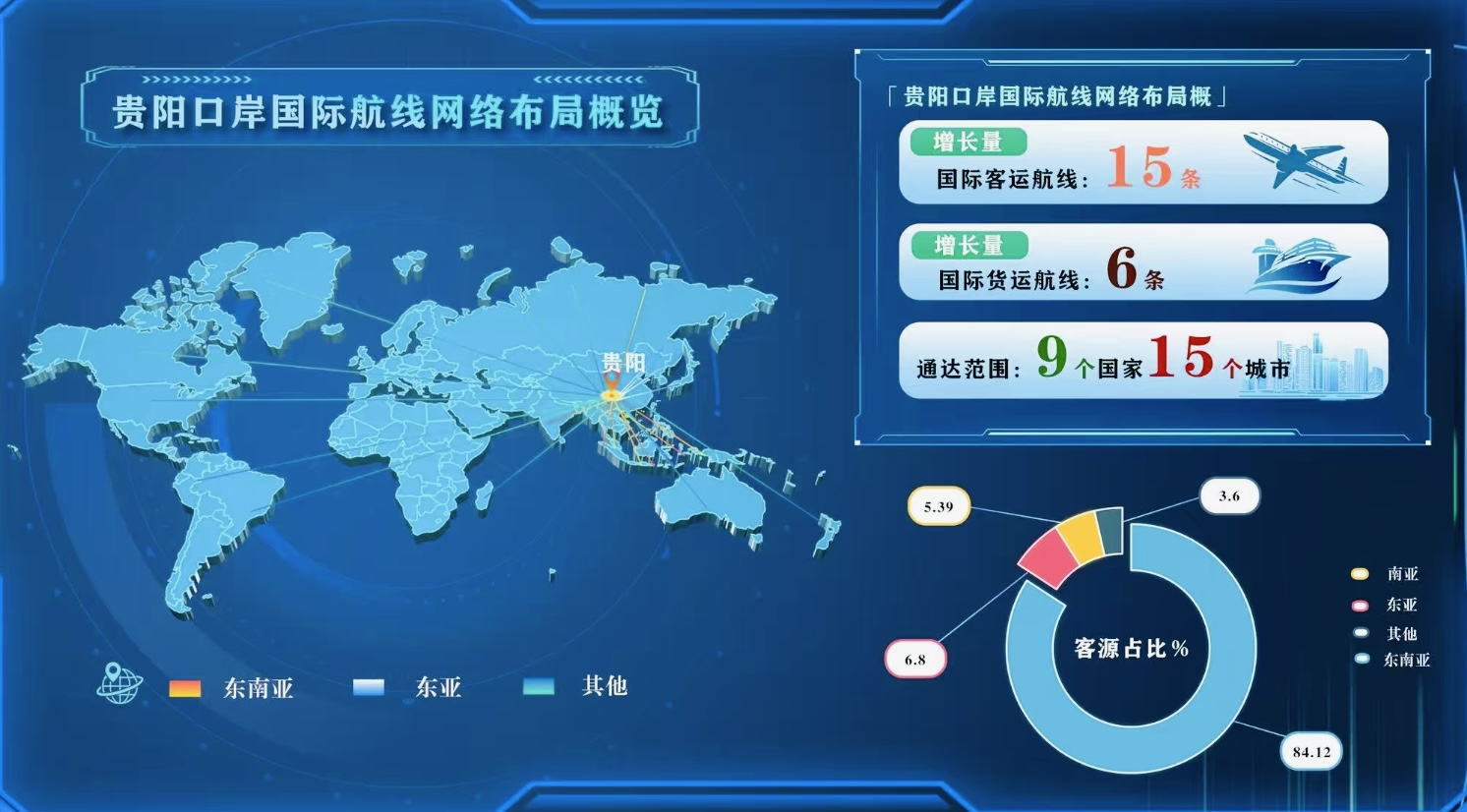
贵阳口岸国际航线网络布局概览
这多出的天数,将贵州从一个行程中的“途经点”,提升为能够承载深度考察与多元合作的“目的地”。
These extra days elevate Guizhou from a mere transit point in an itinerary to a destination capable of supporting thorough due diligence and diverse cooperation.
然而,时间窗口已然打开,贵州的“承接系统”是否准备就绪?这段“多出来的时间”能否被高效、优质地“填满”?
However, with this temporal window now open, is Guizhou’s reception system fully prepared? Can this extra time be efficiently and qualitatively filled?
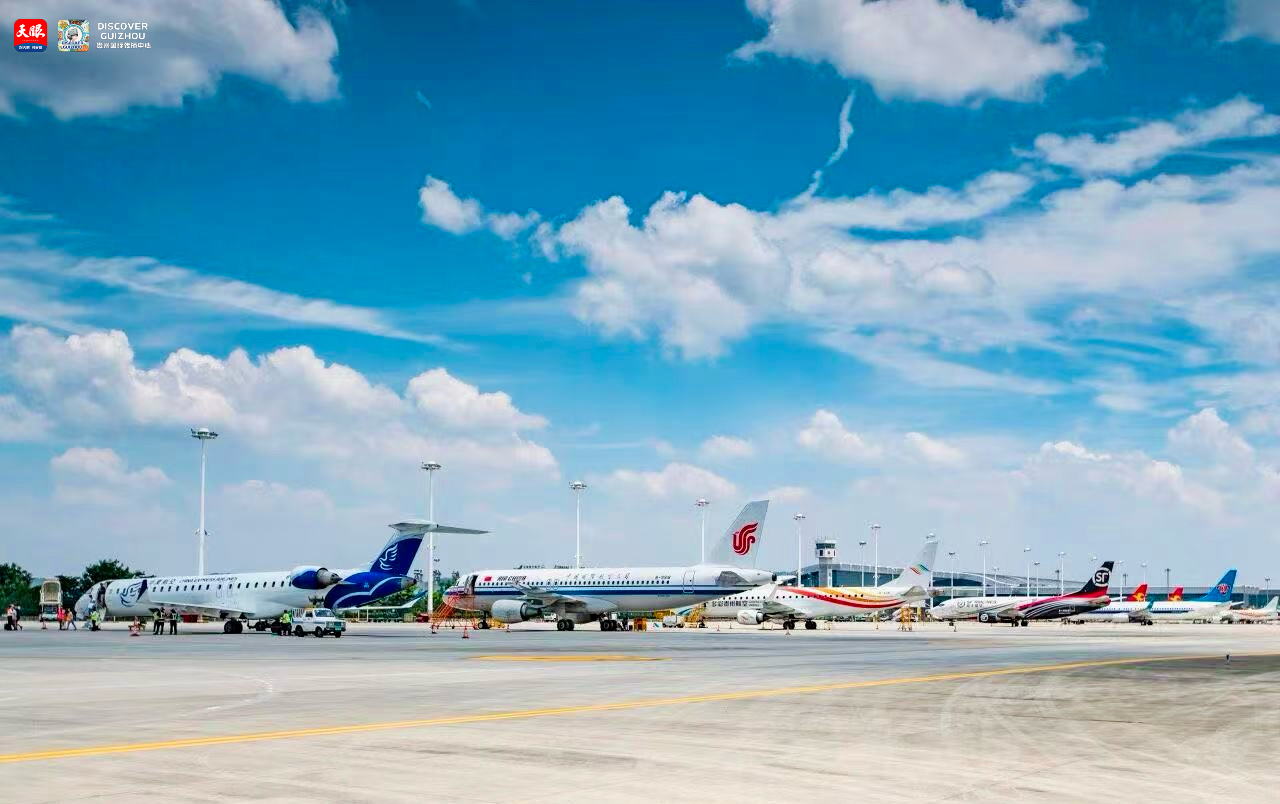
贵阳龙洞堡国际机场
这需要一场从机场到产业,再到区域的系统性“适配升级”。
This demands a systemic adaptation upgrade spanning from the airport to industries and the broader region.
首先是机场的“角色再造”。贵阳龙洞堡国际机场作为城市的“第一印象”,其功能远不止于快速通关。纵观新加坡樟宜、迪拜国际机场等全球顶尖枢纽,其核心已从运输功能,升维为融合交通、商务、零售与文化的“城市核心体验区”。
First is the role reinvention of the airport. Guiyang Longdongbao International Airport’s function extends far beyond swift clearance. Observing global top hubs like Singapore and Dubai International, their core has evolved from pure transportation to integrated urban core experience zones, blending transit, business, retail, and culture.
这要求龙洞堡国际机场从一个交通站点,转型为一个集便捷中转、商务服务、文化体验与消费于一体的“城市门户”与“综合服务中心”。理想状态下,旅客走出廊桥,就能在清晰的引导下,一站式完成多语种咨询、特色行程预订,将即时的停留意愿,转化为切实的旅行目的地。
This requires Longdongbao International Airport to transform from a transport node into a city gateway and comprehensive service center integrating efficient transit, business services, cultural experiences. Ideally, travelers could complete multilingual inquiries and book specialized itineraries in a one-stop manner, converting intent to travel plans.

韩国博主(大一的吃货生活)在今年1月打卡“多彩贵州”
其次是产品的“场景深耕”。政策吸引来的特定客群,需要同样特定的“时间产品”来承接。不妨想象,一位米兰的设计师上午在雷山体验苗绣的精湛技艺,下午便能前往贵阳文创地标里的非遗工坊。超越传统观光、围绕核心产业与独特文化、打造“主题场景”,才是“消化”240小时的关键。
Second is the scenario refinement of the product portfolio. Imagine: a Milan-based designer experience the craftsmanship of Miao embroidery in Leishan and participate in an intangible cultural heritage workshop in Guiyang. Moving beyond traditional sightseeing to create thematic scenarios are key to utilizing the 240 hours effectively.
最终是区域的“功能整合”。《政府工作报告》中关于推动综保区与国际陆港一体化的部署,揭示了更深远的意图:将“人的流动”便利,扩展为“货的畅通”与“资金的融通”。通过高效的物流与通关体系,让国际客商在贵州考察后,能将这里的生态食品、特色商品纳入全球供应链;让过境免签的便利,最终服务于国际贸易中转与产业合作,使贵州成为中国西南连接东盟市场的重要支点。
Ultimately, it is the functional integration of the region. The Government Work Report’s mention is to extend the convenience of people flow to goods flow and capital flow. The goal is to enable international visitors to incorporate products into their global supply chains. The convenience of the transit visa waiver should position Guizhou as a crucial pivot in Southwest China for connecting with the ASEAN market.
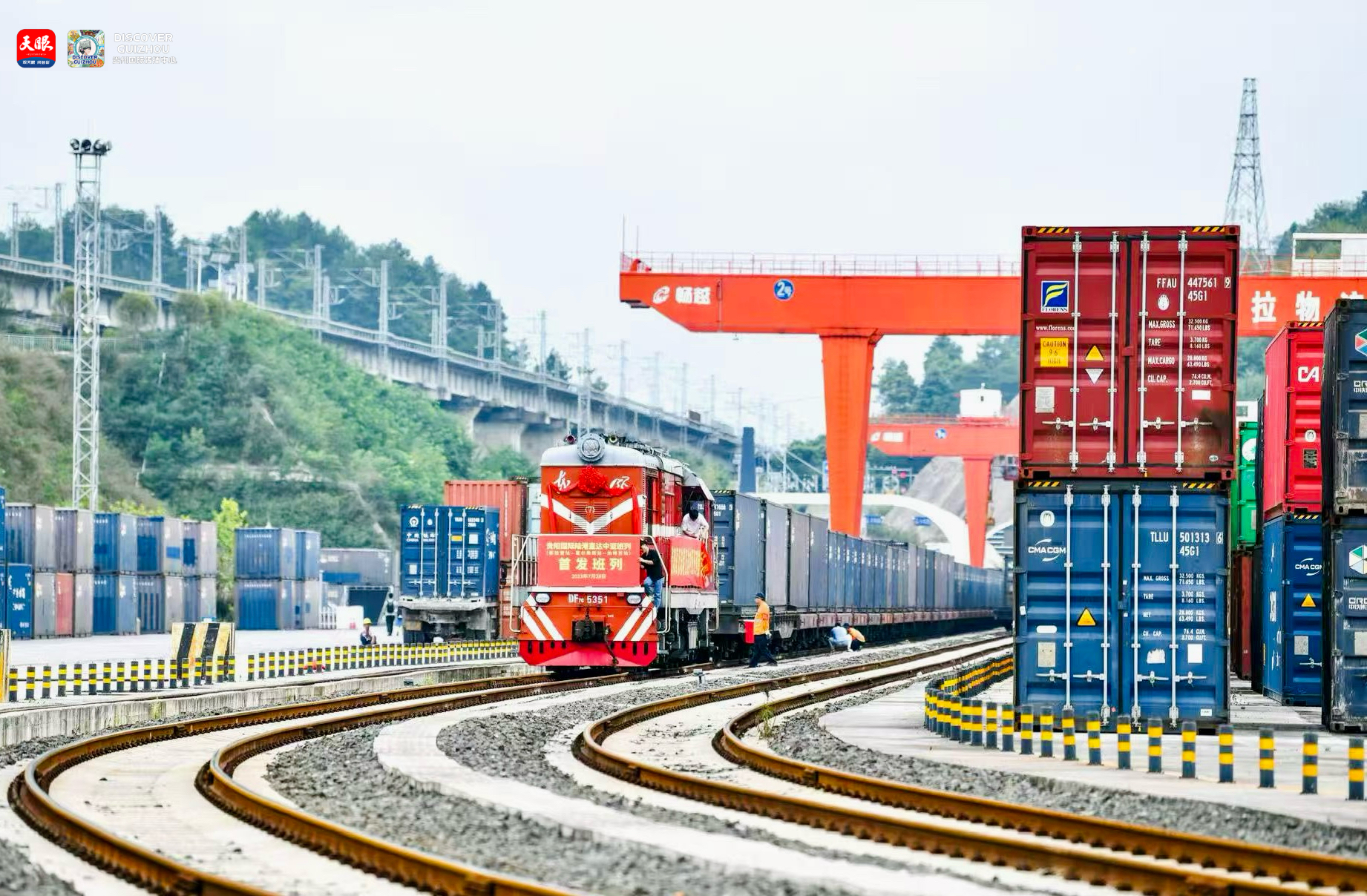
贵阳国际陆港即将出发的中欧班列
因此,“240小时”政策不仅是对通关速度的测试,更是一个地区整合产业链条、优化服务生态、深度参与国际分工运营水平的考验。当“时间窗口”转化为“机遇之门”,开放的贵州便从地理方位上的前沿,真正迈向全球价值链合作的前沿。
Therefore, the profound implication of the 240-hour policy is that it sets a comprehensive capability contest and tests the overall operational capacity of a region. When the time window transforms into a gateway of opportunity, an open Guizhou will advance to become a frontier in global value chain cooperation.
